

Assess Your Kitchen Layout
When determining how to choose the best location for your Viking appliances, evaluating your kitchen layout is essential. Consider the workflow and movement in your kitchen. A well-planned layout can enhance cooking efficiency and minimize disruptions. Identify key zones like prep areas, cooking zones, and storage space. Your choice should accommodate these zones seamlessly.
Ideally, the cooking area should be central, allowing easy access to prep and storage areas. If you're installing a Viking range, ensure there’s ample clearance around it. This not only helps with ventilation but also enhances safety. If your kitchen layout is small, opting for compact Viking appliances might be a more pragmatic choice.
Consider any structural elements such as pillars or windows that might influence appliance placement. It's wise to account for these before making a final decision. Taking these factors into account will help in selecting the right spot for your Viking appliances, making cooking a more enjoyable experience.
Take Advantage of Utility Connections
Utility connections are a major consideration in how to choose the best location for your Viking appliances. Aligning your appliances close to existing gas and electrical outlets can save you both time and money. If you’re planning to install a Viking gas range, it’s crucial to ensure that gas lines are conveniently located.
For electric appliances, proximity to adequate power sources is essential. Viking appliances often require more power than regular home appliances, necessitating dedicated circuits. Therefore, it's beneficial to consult with an electrician to verify that your current electrical setup can support your new Viking products.
Remember that water lines are needed for certain Viking appliances like refrigerators with ice makers. Installing your appliance near these connections will simplify the installation process and reduce potential complications. Relying on existing utility connections can significantly ease the integration of Viking appliances into your kitchen.
Consider Ventilation Requirements
Proper ventilation is key when deciding how to choose the best location for your Viking appliances. Cooking appliances, especially ranges and ovens, can generate a significant amount of heat and smoke. Positioning these appliances near exhaust fans or vents can mitigate these issues.
If your kitchen lacks an external vent, you might need to install a range hood to ensure good air quality. However, consider the placement of your Viking range so that the ventilation system can perform optimally. This is particularly vital in open-plan kitchens where smoke and odors can easily spread to other living areas.
Ventilation isn't just about smoke extraction; it also involves maintaining a comfortable temperature. Viking appliances are designed to handle professional-grade cooking, which generates more heat. Proper ventilation ensures that your kitchen stays cool and inviting, even during busy cooking sessions.
Focus on Aesthetics and Function
While functionality is crucial, aesthetics also play a role in how to choose the best location for your Viking appliances. Viking appliances are known for their sleek and professional appearance. Consider how the placement of these appliances complements the overall design of your kitchen. Stylish placement can enhance your kitchen’s visual appeal.
Additionally, think about how often you use specific appliances. Frequently used items should be more accessible, while those used less often can be tucked away. By balancing aesthetics and functionality, you can create a kitchen that is both beautiful and highly efficient.
Integrating Viking appliances into your kitchen design requires a harmonious blend of looks and practicality. The ultimate goal is to achieve a space where form and function coexist, offering a seamless cooking experience.
Safety and Convenience First
Safety is paramount, and it's a significant factor in how to choose the best location for your Viking appliances. Ensure that there’s enough space to use and maintain the appliance safely, especially near heat-resistant surfaces. Positioning essential safety features like fire extinguishers within easy reach is also advisable.
Convenience matters too. Appliances should be at a comfortable height to prevent strain. Think about the ergonomics of your kitchen; a poorly placed range or oven can lead to unnecessary stretching or bending. Convenient access to appliances ensures a smooth cooking workflow, which can enhance overall kitchen safety and efficiency.
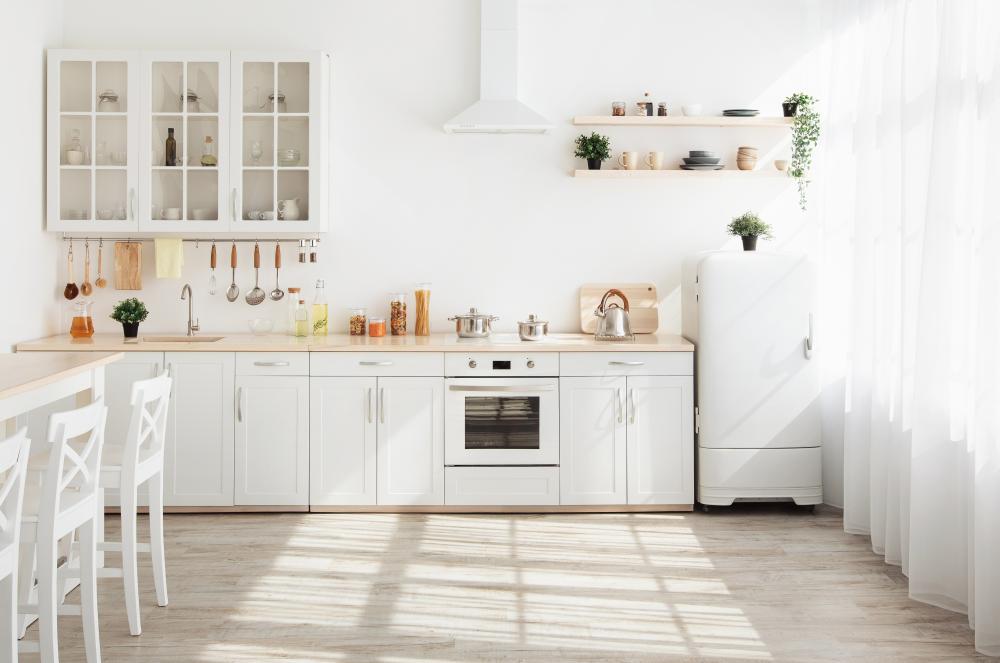
Understanding Kitchen Layout
At Seattle Viking Repair, our experience with kitchen layouts has taught us how pivotal appliance placement is. The kitchen is often the heart of the home. Effective appliance placement can make a world of difference. This starts with understanding the kitchen layout.
The golden rule revolves around the kitchen work triangle. This concept connects the stove, refrigerator, and sink. The goal is to minimize walking distance. This ensures smooth and efficient cooking processes. Broken triangles can lead to chaos, so precision in planning is key.
Appliance factor and size are also crucial. Oversized appliances can disrupt flow and create congestion. It's crucial to pick appliances that fit well within your space. Appliances should complement, not compete with, your kitchen's design.
Strategic Appliance Placement
Appliance placement tips often focus on practical strategies. At Seattle Viking Repair, we emphasize ease of access. Keep the refrigerator close to the kitchen entrance. This makes handling groceries less of a hassle. It also keeps the food prep area efficient.
The stove's position should balance accessibility and safety. Counter space on either side is essential. Safety must always be a priority, especially with cooking appliances. Ventilation should never be compromised.
Importance of Work Zones
Work zones can transform your kitchen space. These are areas dedicated to specific tasks. For instance, a breakfast zone could include a toaster and coffee maker. This keeps morning routines smooth and contained.
Creating zones reduces clutter and enhances organization. Common zones include cooking, cleaning, and prep areas. This setup minimizes unnecessary movement. It also helps those who share kitchen duties.
Considering Small Appliances
Small appliances often clutter countertops. It's important to find dedicated spots for them. Seattle Viking Repair suggests utilizing vertical space. Shelves and racks are great for organizing small appliances.
Appliance placement tips also recommend using pull-out drawers. These can house mixers, blenders, and other frequently used appliances. Consider the frequency of use when determining their placement.
Accessibility should dictate their final position. Items used daily should be within easy reach. Less frequently used items can be stored away but should still be accessible.
Keeping countertops clear boosts both function and aesthetics. It makes cleaning easier and keeps the kitchen looking tidy. These small changes can significantly enhance kitchen efficiency.
Customizing Appliance Placement
Every kitchen is unique. Appliance placement tips can vary based on personal needs. Think about your specific activities and preferences. Do you entertain often or cook elaborate meals? Your kitchen should reflect your lifestyle.
The beauty of customization lies in its flexibility. Perhaps a secondary refrigerator would serve as a beverage center. Or maybe you need additional counter space for baking. The only limit is your imagination when customizing your appliance layout.
The Importance of the Kitchen Work Triangle and Workflow
At Seattle Viking Repair, we often emphasize the significance of the kitchen work triangle when Selecting Ideal Kitchen Appliance Locations. This classic design principle connects the refrigerator, stove, and sink, ensuring a smooth flow of movement. When these elements are positioned efficiently, daily tasks become less cumbersome. By minimizing the travel distance between these appliances, you can enhance the kitchen's functionality.
A balanced kitchen layout not only saves time but also reduces unnecessary steps. Our clients frequently express joy when they can easily navigate between their cooking and prep areas. Consider the natural flow of your kitchen and how you interact with each appliance. This approach can make meal preparation more enjoyable and efficient.
Practical Tips for Appliance Positioning
One key aspect of Selecting Ideal Kitchen Appliance Locations involves considering accessibility. For example, positioning the refrigerator near the entrance of the kitchen can facilitate swift grocery unloading. Additionally, ensuring it's close to your main prep area can streamline food preparation steps.
Another tip is to place the sink centrally. This position allows easy access from both the stove and the refrigerator, which is invaluable for tasks that require frequent handwashing or ingredient rinsing. At Seattle Viking Repair, we've observed that even small adjustments can significantly impact overall kitchen efficiency.
The placement of ovens and dishwashers also warrants thoughtful consideration. An oven should be near prep zones but away from high-traffic areas to prevent accidents. Similarly, placing the dishwasher adjacent to the sink can simplify dish cleaning and storage.
Optimizing Kitchen Space and Efficiency
When discussing Selecting Ideal Kitchen Appliance Locations, space optimization is crucial. Many Seattle kitchens benefit from strategic use of counter space. Ensuring adequate landing zones near major appliances allows for a seamless cooking experience. For instance, a landing area next to the oven provides a spot for hot dishes straight from the oven.
Utilizing vertical space can be a game-changer too. Installing shelves or hanging racks keeps essentials close at hand, without cluttering counters. This strategy is particularly effective in smaller kitchens, where maximizing every inch is necessary.
Our experiences show that clear, uncluttered countertops contribute to a more productive kitchen environment. Regularly evaluating which items are truly needed on a daily basis can help maintain order and efficiency.
Working with a professional, like those at Seattle Viking Repair, can ensure that your appliance layout meets your specific needs and space constraints. We provide solutions that enhance both the form and function of your kitchen.
Innovative Considerations for Modern Kitchens
As you explore Selecting Ideal Kitchen Appliance Locations, consider integrating the latest kitchen innovations. Smart appliances can be placed in locations that maximize their features, such as connecting remotely for convenience. Think about how these advanced technologies can enhance your cooking experience.
For homeowners who enjoy entertaining, placing beverage refrigerators away from main cooking zones can prevent congestion. A well-placed wine fridge can turn a small corner into a sophisticated drink station, offering both functionality and style.
Innovative design also involves planning for future needs. Anticipating lifestyle changes, such as growing families or evolving culinary interests, can influence your choice of appliance placement. Flexibility in design allows for effortless adaptations down the road.
At Seattle Viking Repair, we love seeing how creative layout ideas can transform a kitchen into a truly personalized space.
Personal Insights and Recommendations
One of the most rewarding aspects of being part of Seattle Viking Repair is hearing personal success stories from our clients. Many share how thoughtful placement of their Viking appliances has transformed their daily routines.
For instance, one client noted how moving their stove closer to the pantry eliminated countless steps during meal prep. Another appreciated the ease of having their dishwasher directly beside their sink, which streamlined cleanup time.
When Selecting Ideal Kitchen Appliance Locations, consider how these choices impact your daily life. Reflect on personal habits and preferences to guide your decisions. We encourage you to seek professional advice when needed, ensuring your kitchen layout supports both your current and future needs.
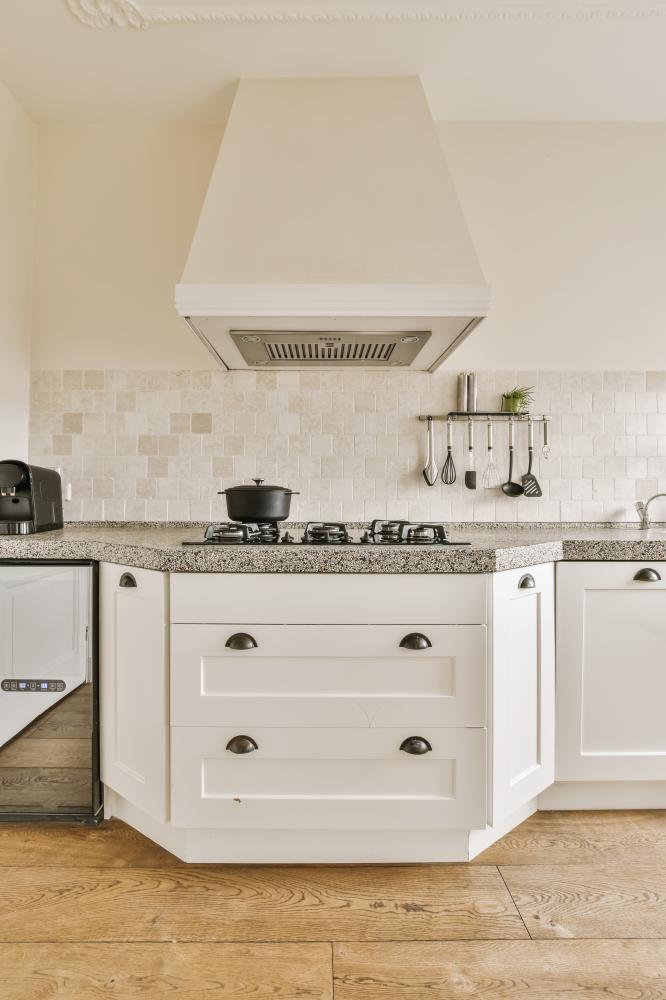
How to Choose the Best Location for Your Viking Appliances
How do I assess my kitchen layout to accommodate Viking appliances efficiently?
When looking at your kitchen layout, it's important to think about workflow and movement. A well-planned kitchen ensures that your cooking activities are both efficient and pleasurable. Core areas like prep spaces, cooking zones, and storage must work harmoniously. I always recommend the kitchen work triangle as a guiding principle. By ensuring that the stove, refrigerator, and sink are strategically placed, you'll minimize unnecessary steps. If you've got a small kitchen, considering compact Viking appliances might be the way to go. Reflecting on how you naturally move through your space can reveal the best configurations for your Viking appliances.
How crucial are utility connections when choosing appliance locations?
Utility connections are absolutely pivotal in choosing the right location for your Viking appliances. If you place your appliances near existing gas and electrical outlets, you save both time and money. For instance, Viking ranges and ovens often need more power than standard ones, so having dedicated circuits is something you'll want to verify. Consulting an electrician can set your mind at ease about your home's current electrical capacity. Additionally, if your Viking appliance needs water, such as those fancy refrigerators with ice makers, positioning them near water lines will streamline installation and future maintenance. It’s like setting up the foundation for a hassle-free kitchen experience.
What should I consider about ventilation when placing Viking appliances?
Ventilation is a biggie, especially with Viking appliances, which are designed for professional-grade cooking. Proper ventilation ensures that your kitchen remains comfortable and free of smoke and odors. I often suggest placing cooking appliances near exhausts or vents. If your kitchen lacks a vent, a range hood could be a lifesaver, especially in open-plan designs. It's not just about smoke; it’s also about maintaining a tolerable temperature when things heat up. Always remember, a well-ventilated kitchen is not only about health but also about keeping the space inviting and stress-free.
How do aesthetics play into the placement of Viking appliances?
Ah, the balance of form and function! Viking appliances are known for their sleek design, so naturally, their placement should complement your kitchen's aesthetics. Still, it’s essential to consider how often you use each appliance. Frequently used items should be more accessible. Think of it as curating an experience — your kitchen can be both stunning and efficient. And don't forget to integrate these appliances in a way that elevates the overall design of the space. When your kitchen is visually appealing, cooking becomes a more enjoyable act. Has anyone else found that a well-designed kitchen leads to more culinary inspiration?
What safety and convenience factors should I consider when choosing appliance locations?
Safety is the top priority. You'll want to ensure that there's enough space around each appliance to use and maintain them safely. For example, heat-resistant surfaces near hot appliances can prevent accidents. Additionally, convenience is key to a good workflow. Positioning your appliances at a comfortable height can help prevent strain and injury. For instance, imagine the ease of accessing your fridge without having to bend awkwardly. And placing a fire extinguisher within reach is a smart move in any kitchen. So, it's this blend of safety and convenience that defines a truly user-friendly kitchen.
How do work zones impact the efficiency of my kitchen layout?
Work zones can dramatically change how you interact with your kitchen. They help compartmentalize tasks, making your workflow more efficient. For example, a breakfast zone can include your coffee maker and toaster, minimizing morning chaos. It’s about reducing unnecessary movement — everything you need for a particular task is within reach. I've seen clients thrive with dedicated zones, as it enhances not only efficiency but also organization. If you share kitchen duties, these zones also prevent traffic jams. How do you currently organize your kitchen? Any work zones you couldn’t live without?
How should I handle placement of small appliances in my kitchen?
Small appliances can create clutter, but with some strategic thinking, they can be managed effectively. Utilizing vertical space — think shelves and racks — is a game-changer. Pull-out drawers or dedicated cupboards can house mixers and blenders. Accessibility should dictate placement, so frequently used items stay within arm’s reach. It's like creating a rhythm in your kitchen activities, where everything is in its rightful place. Keeping countertops clear not only improves function but adds to aesthetics. Ever experienced the satisfaction of a clutter-free kitchen?
How can I customize my kitchen layout to suit my lifestyle with Viking appliances?
Customizing your kitchen layout is all about reflecting your personal needs and preferences. Consider whether you're an avid entertainer or love elaborate meals — this can guide your decisions. Maybe a secondary refrigerator works better as a beverage center or added counter space for your baking adventures. It's really a canvas where your lifestyle takes center stage. Flexibility in design allows your kitchen to evolve with your changing needs. It's always fun to explore the creative possibilities of appliance layout to make the space uniquely yours. How do you envision your dream kitchen?
What are some key appliance placement tips for an efficient kitchen?
Strategic appliance placement can make or break your kitchen flow. Keep the refrigerator close to the kitchen entrance – that’s a nugget of wisdom I picked up from a client who loved the ease of unloading groceries. The stove should have ample counter space on either side for safety and convenience. You'll want your sink near both the stove and the fridge for easy access. As a rule of thumb, the dishwasher is best placed right next to the sink, smoothing out the cleanup process. Tuning into these tips can make your kitchen a joy to work in. Do you already follow any of these strategies?
How can I select ideal locations for my kitchen appliances?
Selecting ideal locations for kitchen appliances is a thoughtful process. It involves considering accessibility, workflow, and spatial dynamics. For instance, placing the oven away from high-traffic areas can minimize accidents. Likewise, ensuring there's enough prep space beside it makes cooking more efficient. The key is to visualize yourself working in the space—imagine making your favorite dish and think about the sequence of movements involved. By aligning these elements with your unique kitchen layout, you optimize both form and function. Have you ever rearranged your kitchen and noticed a huge impact on your cooking experience?
What is the life expectancy of Viking appliances?
Viking appliances are known for their durability and high build quality. On average, you can expect a Viking appliance to last around 10 to 15 years with proper maintenance. At Seattle Viking Repair, we often see appliances that exceed this range, especially when owners are diligent about regular care and servicing. It’s akin to maintaining a car – regular check-ups ensure longevity. If you’re keen on maximizing the lifespan of your Viking appliances, regular maintenance checks and timely repairs can keep them running smoothly for years to come. How do you typically ensure the longevity of your appliances?
Is Viking a high-end brand?
Kitchen Appliance Resources
- U.S. Department of Energy – Provides information on energy-efficient appliances and tips for kitchen energy management.
- National Fire Protection Association (NFPA) – Offers guidelines on kitchen safety, including appliance placement and fire prevention measures.
- U.S. Environmental Protection Agency (EPA) – Contains resources on sustainable appliance options and environmental impact considerations.
- Alliance to Save Energy – Features strategies and tools for improving energy efficiency and reducing utility costs in homes.
- Penn State Extension – Provides educational resources on home appliances, food safety, and kitchen ergonomics.
