

Understanding the Issue
Dealing with an appliance breakdown is never pleasant, especially when it disrupts your daily routine. As a specialist with Seattle Viking Repair, I see this frustration often. When a Viking dishwasher isn’t draining properly, it can be particularly maddening. A dishwasher's draining issues can typically be traced to a few common culprits, each requiring a keen eye and some technical know-how to diagnose correctly.
Typically, the issues stem from blockages or faulty components. These blockages could be in the drain hose, filter, air gap, or even the garbage disposal. A faulty drain pump or motor might also be at fault. Addressing these problems effectively requires both understanding and experience with Viking appliances.
Troubleshooting Common Blockages
One of the first steps I recommend is to check for obstructions in the drain hose. This blockage can often be resolved by carefully detaching the hose and inspecting it for any debris or kinks. Remember to unplug the dishwasher first for safety reasons. It may seem daunting, but with careful handling, you can potentially resolve the issue yourself.
Next, examine the filter. A dirty filter can impede water flow, leading to draining problems. Remove the bottom rack of the dishwasher to access the filter. It’s important to rinse it under warm water, gently scrubbing away any stubborn debris. Regular monthly cleanings can prevent these clogs from recurring.
The air gap or garbage disposal should also come under scrutiny. Often overlooked, these components can significantly impact your dishwasher's draining ability. Running the disposal before starting a cycle can make a huge difference.
Addressing Component Failures
If you've tackled all the above and still find your Viking dishwasher isn’t draining properly, the issue may lie within its internal components. I’ve often found that a faulty drain pump is the culprit. This part requires a careful hand to test and replace, typically necessitating professional intervention.
Other internal parts that might cause problems include the drain solenoid kit or check valve. These components can wear over time, leading to inefficiencies. At Seattle Viking Repair, we are equipped and ready to handle these more complex repairs, restoring your dishwasher to its optimal condition.
Don't hesitate to call in an expert for these situations. Attempting repairs without the necessary knowledge can lead to further damage.
Why Professional Help Matters
Attempting to fix a Viking dishwasher that isn't draining properly without professional insight can be risky. Each appliance has nuances that experienced technicians understand. At Seattle Viking Repair, we pride ourselves on our comprehensive knowledge of Viking appliances. Our team ensures not only effective solutions but also safeguards against potential long-term issues.
I remember a client who tried to tackle a draining issue alone, resulting in accidental damage to the wiring. This added unnecessary costs and delays. Professional repair services grant peace of mind, knowing that your dishwasher is in capable hands. It’s more than fixing an appliance; it’s about restoring the harmony of your home.
Maintaining Your Viking Dishwasher
Prevention is always better than cure. To avoid future issues, regular maintenance is key. Simple practices such as checking and cleaning the drain hose and filter can go a long way. For those unfamiliar with these appliances, consulting your user manual can provide valuable maintenance tips, specific to your dishwasher model.
Moreover, consider scheduling regular check-ups with Seattle Viking Repair. Our team can preemptively catch potential issues, saving you time and money in the long run. When you invest in a Viking appliance, investing in its upkeep is equally important.
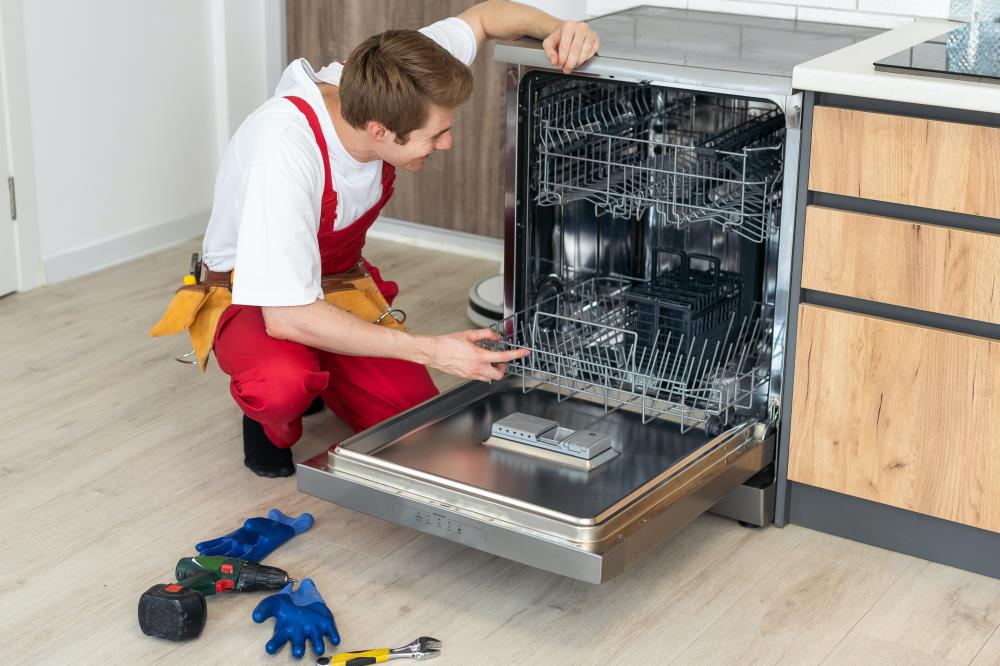
Troubleshooting the Start Issue
At Seattle Viking Repair, we often find that Viking dishwasher troubleshooting can begin with the most straightforward checks. Is your dishwasher connected to a power outlet that’s functioning? Power supply issues are common culprits. Sometimes, simply checking for a tripped circuit breaker or ensuring the dishwasher's power cord is snugly plugged in can solve the problem.
If power isn’t the issue, check the door latch. A dishwasher won’t start if the door isn't closed tightly enough. Don’t forget the electronic components—faulty latches can often be detected by a continuity test with a multimeter. Fixing this might require a professional touch, and that's where we step in!
Addressing Water Supply Problems
During our Viking dishwasher troubleshooting sessions, we often encounter water supply issues. Dishwashers need sufficient water flow to operate correctly. The first step is ensuring your inlet valve is open and functional. A malfunctioning valve might need replacement.
Sometimes, mineral deposits or blockages can restrict water flow. Regular cleaning can help avoid this. If water isn't reaching the machine, check for kinks in the hose or other obstructions. These issues tend to present themselves subtly, so a thorough inspection is key.
Dealing with Faulty Parts
Faulty parts can plague any appliance, and Viking dishwashers are no exception. Often during Viking dishwasher troubleshooting, we find issues with timers, thermal fuses, or control panels. A malfunctioning timer might not trigger the wash cycle, causing significant delays.
Thermal fuses might blow, leading to a complete shutdown. It’s a safety mechanism, preventing overheating, but when continually tripping, it indicates an underlying problem. If the control panel is unresponsive, it might be time to consult experts like us at Seattle Viking Repair for an accurate diagnosis and repair.
Exploring Uncommon Issues
While power and water supply issues are typical, some problems are less obvious. For instance, settings can inadvertently delay the start of your dishwasher. During our Viking dishwasher troubleshooting efforts, we occasionally discover that users accidentally enable delay start functions, pushing back the cycle initiation.
Sometimes, a simple reset can correct unexplained glitches. Try holding the start button for a few seconds, or reset the circuit breaker. It’s astonishing how often these minor fixes restore functionality!
When to Seek Professional Help
Despite the best DIY efforts, some Viking dishwasher troubleshooting issues require a professional's touch. Complicated parts like water valves or electronic panels can be daunting. That’s where Seattle Viking Repair comes in. With our expertise, we bring your dishwasher back to life quickly.
From replacing defective parts to addressing intricate electrical problems, our team is equipped to handle it all. For residents in Seattle, quick and efficient solutions are just a call away. With us, you’ll have peace of mind knowing your appliance is in expert hands.
Understanding Common Drain Issues
Owning a Viking dishwasher is synonymous with quality, yet even the best can experience drain problems. A clogged dishwasher can lead to standing water, often caused by improper maintenance. From experience, I’ve noticed that most issues arise from food debris buildup. Cleaning the filter regularly is vital.
It’s essential to understand that the drain hose can become obstructed as well. In my practice, I’ve found that loose food particles or debris are often the culprits. If your dishwasher won't drain, suspect the hose.
In addition, a faulty drain pump can sometimes be the issue. A malfunction here can prevent water from expelling properly, requiring professional intervention. Don’t hesitate to reach out to our team for a thorough inspection.
Steps to Clean the Filter
Let’s start with the filter, a part that often gets overlooked. Over time, it can clog, leading to drainage problems. Here’s how to unclog Viking dishwasher filter effectively:
- First, remove the bottom rack to access the filter.
- Next, take out the coarse strainer by squeezing the tabs. Then, rotate the fine filter counterclockwise.
- Rinse both filters under running water, using a soft brush to remove stubborn debris.
- Reassemble by securing the fine filter with a clockwise twist and snap the coarse strainer back in place.
Regular cleaning prevents clogs and ensures optimal performance. I recommend monthly maintenance to avoid issues.
Clearing Drain Hose Blockages
If how to unclog Viking dishwasher is still a concern, the drain hose could be the problem. It often becomes blocked by food remnants. In my experience, clearing these clogs enhances functionality significantly.
Here’s how you can address this issue:
- Unplug the dishwasher for safety.
- Access the drain hose, typically located behind a lower panel.
- Detach it from the pump and check for visible blockages, removing them with pliers if necessary.
- If the clog isn't visible, detach the other end of the hose and inspect thoroughly.
In some cases, replacing the hose is the best solution, especially if it’s extensively blocked or damaged.
Air Gap and Disposal Check
An air gap or garbage disposal might share a drain with your dishwasher. In our experience, clogs in these areas can affect the dishwasher’s drainage. Always ensure these are clear.
Running your disposal prior to a dishwasher cycle is a good practice. Regular cleaning of the air gap also prevents blockages. Simply remove the cap and clean away any debris.
If these checks don’t resolve the issue, the drain pump might be at fault. Our technicians are ready to assist if professional repair is needed.
When to Call a Professional
Sometimes, DIY solutions for how to unclog Viking dishwasher don't suffice. If you’re unable to pinpoint the cause, contacting a professional is wise. Our team at Seattle Viking Repair is skilled in diagnosing and fixing complex problems efficiently.
We’re committed to restoring your dishwasher’s performance, ensuring a hassle-free household experience. Appliance issues shouldn’t disrupt your daily routine, and we’re here to help you prevent that.
If you notice persistent drainage issues, it’s time to seek expert advice. Our services are prompt, reliable, and geared towards complete customer satisfaction. Don't hesitate to reach out!
Why is there standing water in the bottom of my dishwasher?
Standing water at the bottom of your dishwasher can be frustrating, and it often signals a draining issue. In my experience working with Viking dishwashers here at Seattle Viking Repair, the most common cause is a blockage somewhere in the system. The drain hose might be clogged with food particles or debris, which is something you can check by removing it and looking for obstructions. Additionally, a blocked filter can prevent proper drainage. Over time, filters can collect food debris, so regular cleaning is essential to maintain efficient water flow.
Another possibility is a malfunctioning drain pump. If the pump isn't working properly, it won't be able to expel the water from the dishwasher, leaving you with a pool at the bottom. This may require a professional inspection. We’ve seen cases where the pump needs to be replaced to resolve the issue. It's important to address these concerns promptly to prevent further complications. Have you been maintaining your dishwasher’s components regularly?
Why is my dishwasher not draining completely?
At Seattle Viking Repair, one of the frequent issues we encounter with Viking dishwashers is incomplete draining, which can be attributed to several factors. A partially clogged drain hose or filter is often the culprit. Even small amounts of debris can disrupt water flow and prevent your dishwasher from draining fully. Checking these components first can often resolve the issue.
Another possible reason could be the air gap or the garbage disposal. These components are sometimes overlooked, but they can significantly affect drainage. Running the garbage disposal before starting your dishwasher can help ensure the drain line is clear. If these steps don’t work, there might be a more complicated issue with the drain pump or motor, which might require a technician’s expertise.
Have you checked all these components, or is there something specific you’re unsure about?
How do I force my dishwasher to drain cycle?
Forcing a dishwasher to enter a drain cycle can be a useful troubleshooting step. On most Viking models, this can be done by simply running a short cycle and then attempting to cancel it, which typically forces any remaining water to drain out. However, if that doesn't work, it's important to ensure there's no physical blockage in the drain system.
When I’m called out for such issues, I often remind customers to check if the dishwasher door is properly closed and latched, as the machine won’t operate correctly if it’s not securely shut. It’s a small but crucial detail that we sometimes overlook. If you've tried these steps and the dishwasher still won't drain, there may be an internal problem like a faulty drain pump or solenoid. It could be time to call in a professional—we’re always ready to assist with such problems at Seattle Viking Repair.
Does this help clarify the process for you, or do you need more detailed instructions?
How to remove filter from Viking dishwasher?
Removing the filter from your Viking dishwasher is an important maintenance task that can help prevent drainage issues. Start by removing the bottom rack to access the filter housing. Most models have a coarse strainer and a fine filter. To remove them, squeeze the tabs on the coarse strainer and gently pull it out. Then, rotate the fine filter counterclockwise and lift it out. Rinse both components under warm running water, using a soft brush to remove any stuck debris.
In my experience, regular cleaning of these parts can significantly increase the efficiency of your dishwasher. I recommend doing this at least once a month. If you’re uncertain about how to reassemble it, remember that the fine filter should be secured with a clockwise twist, and the coarse strainer should snap back into place.
Is there any part of this process you’re finding tricky, or are there other maintenance tasks you’re curious about?
How to unclog Viking dishwasher?
If your Viking dishwasher isn’t draining properly due to a clog, there are several steps you can take to resolve the issue. The first place to check is the drain hose, where food particles or debris can cause blockages. Disconnect the hose where it attaches to the sink or garbage disposal, and inspect it carefully. Sometimes a gentle push with a wire coat hanger or a similar tool can dislodge any stuck debris.
Next, examine the dishwasher’s filter, which can also become clogged over time. Remove it following the instructions mentioned earlier and clean it thoroughly. Additionally, be sure to inspect the air gap, if your system has one, as blockages here can also impede drainage. If these efforts don’t resolve the problem, the issue may be with internal components like the drain pump, which might require professional repair.
At Seattle Viking Repair, we’re always ready to step in if these steps seem overwhelming or if the problem persists. Do you feel comfortable tackling these checks, or would you like more guidance?
#### Resources for Dishwasher Repair and Maintenance Troubleshooting- Energy Star provides comprehensive resources on energy-efficient appliances, including dishwashers. They offer guidelines for reducing energy consumption and improving appliance performance.
- Consumer Reports offers unbiased reviews and information about dishwashers, helping consumers understand potential issues and choose the best appliances.
- Natural Resources Defense Council (NRDC) features articles and resources focused on maintaining eco-friendly appliances, including dishwashers, ensuring they operate efficiently and sustainably.
- U.S. Environmental Protection Agency (EPA) provides guidelines and best practices for maintaining household appliances, promoting sustainable practices, and reducing waste.
- American Council for an Energy-Efficient Economy (ACEEE) offers research and strategies for improving the energy efficiency of home appliances, including tips for maintaining dishwashers to prevent breakdowns.
- eXtension Foundation provides a wealth of information on home maintenance and repair. They offer troubleshooting tips and guides on keeping household appliances in good working condition.
