

Understanding Heating Problems
At Seattle Viking Repair, we often encounter clients wondering, “Why Your Viking Oven Isn’t Heating and How to Fix It Yourself.” Several factors can cause this frustrating issue. Let’s delve into the basics! Firstly, a faulty power supply is one of the primary culprits. If the oven isn’t receiving adequate power, it simply won’t heat. Checking the power cord and ensuring it's connected to a viable power source is essential.
Another common issue is a tripped circuit breaker. When this occurs, your oven might lose power momentarily or entirely. Make it a point to check the breaker box and reset it if necessary. These steps can sometimes quickly resolve the problem.
As we explore reasons, keeping an eye on the oven’s door seal is crucial. A damaged or misaligned seal can let hot air escape, affecting the heating efficiency.
Diagnosing Component Failures
The question of “Why Your Viking Oven Isn’t Heating and How to Fix It Yourself” often leads to the components inside the oven. A common issue is with the heating element itself. If you notice that your oven isn’t reaching the desired temperature, examine the element. It should glow red when in use. If it doesn’t, consider replacing it.
For gas ovens, the igniter plays a key role. If it fails, the gas won't ignite, and your oven won’t heat. Watching the igniter can help you determine its condition. If it doesn’t light up or takes too long to ignite, it’s time for a replacement.
Don’t forget the temperature sensor! This device ensures your oven reaches and maintains the selected temperature. A malfunctioning sensor can throw off your oven’s performance, leading you to question why it isn’t heating properly.
Troubleshooting Technical Issues
When addressing Why Your Viking Oven Isn’t Heating and How to Fix It Yourself, technical issues often emerge. Begin by calibrating your oven. This process ensures that the internal temperature settings align with the displayed temperature.
The thermostat knob can also be a suspect. If it is mispositioned or loose, your oven may not heat correctly. Verify that the knobs are secure and undamaged.
In some cases, your oven door might not close properly, leading to inefficient heating. Check for debris or misalignment in the door, ensuring it seals tightly.
Considering Gas Line Problems
Why Your Viking Oven Isn’t Heating and How to Fix It Yourself can be due to a defective gas line. This issue is specific to gas ovens. Any leaks or blockages can prevent your oven from heating properly. Regular maintenance of the gas line is vital for safety and efficiency.
If you suspect a gas line issue, it’s crucial to inspect for visible damage or leaks. Addressing a gas line problem might require professional help, considering the potential hazards.
Always prioritize safety. If you encounter a gas line issue, contacting Seattle Viking Repair or another professional service promptly is advisable.
DIY vs. Professional Repair
While considering Why Your Viking Oven Isn’t Heating and How to Fix It Yourself, it’s important to weigh the pros and cons of DIY versus professional repair. Simple tasks like checking the power supply or replacing a knob can be done at home.
However, more complex issues like a faulty igniter or gas line should be handled by experts. Safety and precision are paramount. Hiring professionals ensures that your oven is repaired correctly and safely.
Seattle Viking Repair is here to assist. Our technicians provide reliable service, reducing the stress of appliance malfunctions. Whether DIY or professional, choose the option that guarantees peace of mind and restores your oven to full functionality.

Understanding Common Viking Oven Issues
As a well-experienced technician with Seattle Viking Repair, I can confidently say that Viking oven troubleshooting often begins with identifying common problems. One of the frequent issues is the oven not heating properly. This situation can be due to a defective igniter in gas models. The igniter might not light the gas efficiently, affecting the oven's ability to reach the desired temperature.
Another issue arises with electric models where the heating element might be faulty. A damaged element can stop the oven from baking evenly. You might observe inconsistent cooking results, which can be frustrating when trying to prepare a meal. Addressing these problems promptly can save you from more significant repair costs down the line. Keeping a keen eye on slight variations in cooking performance helps to catch these issues early.
Decoding Digital Display Mishaps
Digital display issues can affect Viking ovens, creating confusion during operation. Often, customers reach out to us when their oven's control panels become unresponsive. Fortunately, these problems are frequently linked to minor power supply disruptions.
Ensuring that the power supply is intact can resolve many of these dilemmas. Check for tripped breakers or blown fuses, as these can impact the display's ability to function correctly. In more severe cases, a faulty control board might need attention. When dealing with control board issues, professional repair is advisable to ensure safe handling. At Seattle Viking Repair, we strive to address such problems efficiently, reducing downtime for our clients.
Addressing Oven Door Closure Challenges
A common call we receive involves oven doors that refuse to close properly. This can lead to heat escaping and result in uneven cooking. Often, the culprit is worn-out door hinges. Over time, these hinges may lose alignment or loosen, preventing a firm closure.
The door gasket, or seal, is another component that might require attention. A damaged gasket can hinder heat retention. It's important to inspect it for any wear or tears. If you notice any issues, replacing the gasket can significantly improve your oven’s performance. While some fixes can be DIY, our team is always ready to assist with more complex repairs.
Sometimes the door lock system malfunctions, especially after a self-cleaning cycle, causing the door to remain locked. Resetting the system can often solve this. However, if persistence issues occur, a technician should examine it further.
Analyzing the Self-Cleaning Feature
The self-cleaning function of Viking ovens is a convenient but occasionally troublesome feature. Sometimes, it fails to activate or complete the cycle. This is often due to a malfunctioning door lock mechanism. If the oven cannot secure the door, it won't initiate the cleaning process.
Thermoregulation is critical in these cycles, and a faulty thermostat could hinder the oven from reaching necessary temperatures. Regular maintenance and part replacement can ensure the feature works seamlessly. We've observed that proactive care can prevent these issues, saving our customers unnecessary hassle.
For ovens that struggle with maintaining the required cleaning temperature, examining the control system is crucial. This can be a complex undertaking, best handled by a trained technician, to avoid potential hazards.
Navigating Viking Oven Troubleshooting
Engaging in Viking oven troubleshooting doesn't have to be daunting. Begin by checking the basic settings and ensure all controls are correctly set. Misplaced knobs or incorrect settings are often simple oversights that cause operational dilemmas. In my experience with Seattle Viking Repair, taking a systematic approach can help resolve many issues quickly.
For persistent problems, consulting the user manual is beneficial. It offers manufacturer-specific insights that are invaluable. When troubleshooting becomes overwhelming, remember that professional help is just a phone call away. We are committed to restoring your Viking appliances to their optimal condition, ensuring you enjoy the convenience and reliability they offer.
Understanding Common Viking Oven Issues
As a dedicated team at Seattle Viking Repair, we encounter a variety of issues with Viking ovens that customers face. One common problem is the oven not heating. Often, this can be due to a faulty heating element or an issue with the oven’s thermostat. Understanding these components is crucial in DIY Viking oven repair.
Another frequent issue is uneven cooking, a frustrating experience for any home cook. This can be caused by a malfunctioning convection fan. Checking and possibly replacing the fan can resolve this issue. Remember, while DIY Viking oven repair can save you time and money, it requires careful assessment and sometimes professional intervention.
Tackling Basic DIY Viking Oven Repair Tasks
We believe in empowering our customers with the knowledge to tackle basic repairs themselves. One task you can undertake is replacing the oven light. When your light goes out, it’s often just a burned-out bulb. Make sure to use gloves when handling the new bulb to avoid oil transfer, which can shorten its lifespan.
For those feeling slightly more adventurous, addressing a door that won't close properly can sometimes be handled at home. Identifying if the problem is with the door hinge or the gasket is key. Adjusting or replacing these parts may solve the closure issue. After all, successful DIY Viking oven repair can be quite rewarding.
When to Seek Professional Help
While DIY Viking oven repair is often beneficial, recognizing the limits of DIY projects is important. Certain issues, such as electrical problems or complex internal failures, necessitate professional expertise. Attempting to repair these on your own could lead to safety hazards.
At Seattle Viking Repair, we're familiar with the ins and outs of Viking ovens and can provide expert solutions for intricate problems. We advise reaching out to professionals when dealing with gas igniters or control panels to avoid potential dangers and ensure the longevity of your appliance.
Remember, attempting fixes beyond your capability can complicate matters. Our team is always ready to assist with those complex repairs, ensuring your oven runs smoothly.
Preventative Maintenance and Care
Regular upkeep helps extend the life of your Viking oven. Simple acts, like periodically cleaning the oven’s interior and exterior, can prevent buildup and future issues. Use appropriate cleaners for the oven’s material to avoid any damage, ensuring your appliance maintains its pristine condition.
Acknowledging signs of wear and addressing them promptly can prevent larger problems. Listen for unusual noises or observe any changes in cooking times or temperatures. Spotting these early can aid in successful DIY Viking oven repair or timely professional intervention.
Consider creating a maintenance routine, incorporating checks and cleans into your schedule. This not only enhances your appliance's longevity but also keeps you prepared for any potential repairs needed.
Tips for Successful DIY Viking Oven Repair
Embarking on a DIY Viking oven repair requires a few handy tips to ensure success. First, always disconnect the appliance from power before starting any repair work to avoid electrical hazards. Safety is paramount in any DIY project.
Gather all necessary tools and materials beforehand. This preparation ensures a smoother process and less downtime. A well-prepared work environment can significantly enhance your repair efficiency.
Finally, don't shy away from consulting manuals or online resources if you're unsure. These materials provide valuable insights and instructions that can guide you through the repair process. With these tips in mind, you will be better equipped for a successful repair endeavor.
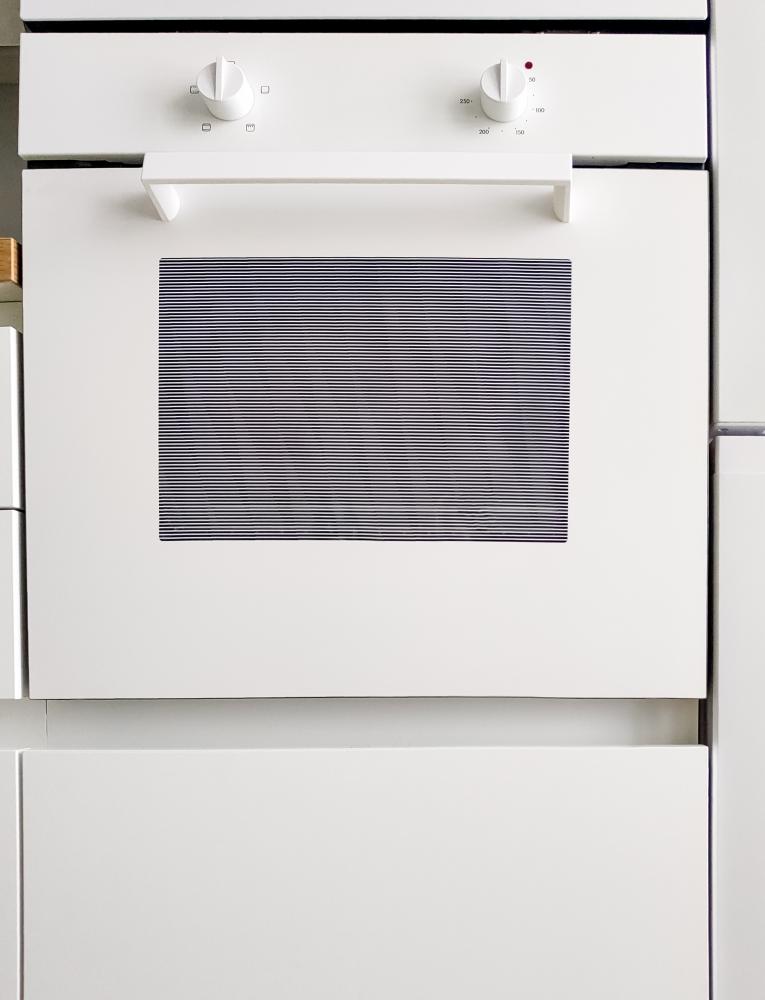
Why is my Viking oven not heating up?
At Seattle Viking Repair, we often find that the reason your Viking oven isn't heating up can vary from simple electrical problems to more complex component issues. One of the first things to check is the power supply. Ensure that the oven is plugged in securely and that your circuit breaker hasn’t tripped. Sometimes, a loose connection or a tripped breaker can prevent your oven from receiving power, leading to heating issues.
If electricity isn't the problem, the issue could lie with the heating element itself. In electric ovens, a faulty element may not glow red when in use, indicating it's not functioning. For gas ovens, a malfunctioning igniter may prevent the oven from heating. In either case, visually inspect these components for obvious signs of wear or damage. Fixing these often involves replacing the faulty parts, which is something we can help you with thanks to our expertise at Seattle Viking Repair.
Have you noticed any issues with your oven recently that might point to one of these problems? Feel free to share your observations or concerns.
How do I fix my oven not heating up?
Fixing an oven that isn’t heating up can sometimes be straightforward. Start by checking the power supply and ensuring the oven is properly connected and powered. If you're dealing with an electric model, inspecting the heating element is crucial. If the element is visibly damaged or not glowing red, it likely needs replacement. While this might seem daunting, remember that with the right tools and instructions, many homeowners have tackled this task successfully.
For gas ovens, observe the igniter. A healthy igniter should glow and ignite the gas in under a minute. If it takes longer or doesn’t light at all, it’s time for a replacement. This process can be slightly more complex, and we recommend contacting a professional if you’re unsure.
What is your comfort level with handling these types of repairs? Consider whether you prefer DIY solutions or would rather have a technician handle the job. Either way, Seattle Viking Repair is here to guide you and ensure your oven returns to tip-top shape.
Why is there no heat coming out of my oven?
No heat coming from your oven can be attributed to various factors. Firstly, ensure the oven door closes properly, as a misaligned door can allow heat to escape. Additionally, examine the door seal for wear and tear. A compromised seal can impede heat retention, affecting your oven's ability to warm up effectively.
Another potential culprit is the thermostat. If the thermostat isn't calibrated correctly, the oven may not heat to the desired temperature. Regular calibration checks can help maintain accuracy and prevent heating issues. Don’t forget to also inspect your oven’s temperature sensor, as it plays a vital role in maintaining consistent cooking temperatures.
If you’re comfortable with some DIY troubleshooting, these steps are a great starting point. However, don't hesitate to contact us if you want a professional to take a look. We’re always ready to help with a friendly smile!
Why is my Viking oven not igniting?
When your Viking oven isn't igniting, it can be quite frustrating, especially when you're set to prepare a delicious meal. In most cases, the issue lies with the igniter itself. The igniter needs to heat up adequately to ignite the gas that fuels the oven. If it’s not glowing or takes an excessively long time, it’s likely faulty and requires replacement.
There might also be a problem with the gas line. Check for blockages or leaks, but remember, safety is paramount when dealing with gas, and this might be best left to professionals. In some scenarios, the oven's control board could also be the problem, though this is less common.
Considering the risks associated with gas appliances, it might be prudent to call in the experts, like our team at Seattle Viking Repair, who can ensure a safe and thorough inspection and repair.
Does your oven show any other signs of trouble, like unusual noises or smells? Keep an eye out for these as they can provide additional clues to what's happening.
#### Resources for Viking Oven Troubleshooting and Repair