

Causes of Viking Refrigerator Not Cooling
As the trusted team at Seattle Viking Repair, we've seen many customers facing the vexing issue of a refrigerator not cooling. This problem often stems from a few key areas. One common culprit is the condenser coils. If these coils are dirty, they lose their efficiency, leading to increased effort from the refrigerator to maintain temperature.
An issue with the evaporator fan can also be a reason Why Your Viking Refrigerator Isn’t Cooling and How to Fix It. If this fan malfunctions, cold air isn't circulated properly. This can result in warm storage conditions. Additionally, the thermistor, a small sensor that monitors temperature, may be faulty. A defective thermistor sends incorrect signals to the control board, preventing the cooling cycle from operating correctly.
Lastly, a malfunctioning temperature control thermostat could be preventing your refrigerator from keeping cool. This component regulates power to the compressor and fans, so any issues here can halt the cooling process.
Troubleshooting Your Viking Refrigerator
Of course, diagnosing Why Your Viking Refrigerator Isn’t Cooling and How to Fix It involves a few troubleshooting steps. Start by examining the refrigerator's condenser coils, typically found at the back or beneath the appliance. Clean them thoroughly, ensuring that no dust or debris obstructs their function.
Next, manually check the evaporator fan by rotating the blade. If resistance is present, consider replacing the fan motor. Additionally, inspect the thermistor for continuity using a multimeter. A lack of continuity suggests a replacement is necessary.
Don't overlook the importance of the control thermostat. Adjust its dial to the highest setting and listen for a clicking sound. This indicates proper function, but if absent, a multimeter test may be required to confirm continuity at every setting.
DIY Solutions and Repairs
For those who enjoy a hands-on approach, there are some DIY fixes that can address Why Your Viking Refrigerator Isn’t Cooling and How to Fix It. Checking the door seals is a simple task, as any gaps can allow warm air in, disrupting the cooling cycle. If seals are worn, replacing them can restore efficiency.
Adjusting the refrigerator’s leveling can also be beneficial. An uneven refrigerator can lead to improper door closures, causing temperature fluctuations. Adjusting the leveling legs or adding shims can prevent future issues.
When to Call a Professional
Sometimes, DIY fixes aren't enough to solve Why Your Viking Refrigerator Isn’t Cooling and How to Fix It. If you've tried these methods without success, it’s time to call in the experts at Seattle Viking Repair. Our technicians have the training and experience needed to handle complex problems.
We often deal with tricky issues like faulty compressors and control boards. These components are critical to the refrigeration cycle. Diagnosing such problems accurately requires professional-grade tools and expertise.
However, our commitment to customer satisfaction ensures you’ll have a smooth experience. We operate seven days a week, ready to bring your Viking refrigerator back to optimal functionality.
Preventative Measures for Viking Refrigerators
To stave off future issues, regular maintenance is key. Regularly cleaning the condenser coils and ensuring door seals remain intact can make a substantial difference. Adjusting your refrigerator’s temperature settings during seasonal changes also promotes efficiency.
Monitoring the refrigerator’s performance provides early warnings of potential issues. If you notice any irregular noises or temperature fluctuations, addressing them sooner can prevent more extensive repairs down the line.
At Seattle Viking Repair, we recommend scheduling a professional check-up at least once a year. This ensures that any emerging problems are swiftly dealt with, providing you peace of mind and prolonging your refrigerator’s lifespan.
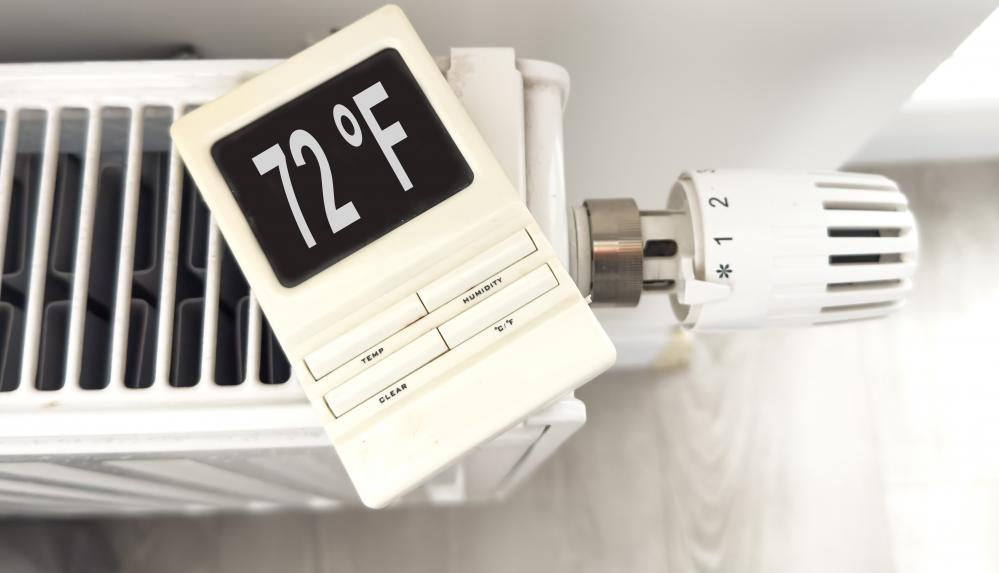
Common Issues Causing Viking Refrigerator Not Cooling
Experiencing a Viking refrigerator not cooling can be quite frustrating. It disrupts your routine and may cause food spoilage. One of the usual suspects is dirty condenser coils. When these coils, responsible for dissipating heat, are covered with dirt, they cannot function efficiently. This often leads to a Viking refrigerator not cooling as it should.
Another common issue involves the evaporator fan. This fan circulates cold air throughout the refrigerator. If it malfunctions, you might find your Viking refrigerator not cooling properly. Typically, this requires checking and potentially replacing the fan to restore normal function.
Addressing Thermistor or Thermostat Problems
The thermistor and the temperature control thermostat are critical components for maintaining the right temperature. A fault in the thermistor can lead to wrong readings, causing the cooling system to underperform. Thus, leading to a Viking refrigerator not cooling. Testing the thermistor with a multimeter can help diagnose this problem.
Similarly, a defective thermostat can disrupt the normal operation of the cooling system. Rotating the thermostat dial and listening for a click can help verify its functionality. If the click is absent, the thermostat might need replacement. Over time, recognizing these subtle signs can prevent further complications.
Troubleshooting and Maintenance Guidelines
To troubleshoot a Viking refrigerator not cooling, start by ensuring that the refrigerator is level. An uneven refrigerator can cause cooling issues. Also, check if the door seals are clean and intact to ensure proper closure. An improperly closed door can lead to increased temperature inside the refrigerator.
Occasionally, performing routine maintenance like cleaning the condenser coils helps maintain optimal performance. Disconnect power before cleaning to ensure safety. Use a vacuum or a soft brush to gently remove dirt from the coils. Regular maintenance can markedly extend the lifespan of your refrigerator.
When to Seek Professional Help
While many issues can be addressed with DIY solutions, there are times when professional assistance is preferable. For instance, if resetting the control panel and routine maintenance don't resolve the issue, it could signal a more serious problem. In such cases, a trained technician's expertise in handling a Viking refrigerator not cooling is invaluable.
Additionally, dealing with electrical components like the control board or compressor requires technical know-how. This is where Seattle Viking Repair steps in. Our team is equipped to handle complex issues, ensuring your refrigerator is up and running in no time.
Ensuring Preventive Measures
Preventing a Viking refrigerator not cooling in the first place is ideal. Avoid frequent and prolonged door openings, especially during hot weather. This helps maintain a steady internal temperature. Adding too much warm food at once can also strain the cooling system, so it's best done gradually.
Having regular check-ups by professionals can also preempt future problems. At Seattle Viking Repair, we provide thorough inspections to catch potential issues early. Staying proactive keeps your refrigerator reliable, saving you from unexpected breakdowns.
Understanding Common Issues
At Seattle Viking Repair, we've seen a variety of scenarios when it comes to troubleshooting Viking refrigerator cooling issue. One of the most frequent culprits is a malfunctioning thermistor. This small component plays a significant role by regulating the temperature within the unit. If it's defective, your refrigerator might not be able to tell when to start or stop cooling.
Another common issue is dirty condenser coils. These coils are crucial for dissipating heat. When they're covered in dust and grime, they can't function effectively, causing your refrigerator to struggle with maintaining the right temperature. Cleaning these coils is often a simple fix, but it's one that requires regular attention to prevent further problems.
We also often encounter problems with the evaporator fan. This fan is responsible for circulating cold air throughout the refrigerator. Without it, the cooling process can be severely compromised. Ensuring that the fan is operational is a key step in our troubleshooting Viking refrigerator cooling issue process.
Diagnosing with Expertise
When tackling any troubleshooting Viking refrigerator cooling issue, our skilled technicians are trained to spot the less obvious problems. For instance, a faulty temperature control thermostat can often go unnoticed until it significantly impacts cooling efficiency. We recommend testing the thermostat's continuity with a multimeter if there's any doubt about its functionality.
Additionally, we always check for blocked vents. These can obstruct airflow and create uneven cooling, which can be misleading when diagnosing the issue. Our extensive experience allows us to pinpoint such hidden problems swiftly, saving both time and future headaches.
During a service call, it's not unusual for us to find that a refrigerator door isn't closing properly. Even a slight misalignment or a damaged gasket can introduce warm air, making the refrigerator overwork itself. Ensuring the door closes securely is an easy yet often overlooked solution.
In some cases, the problems stem from excess load. Overloading a refrigerator can impede airflow, leading to cooling issues. We always advise our customers to maintain a balanced load to optimize performance.
Personalized Solutions
Every refrigerator has its quirks, and that’s why we believe in offering tailored solutions. When troubleshooting Viking refrigerator cooling issue, we take into consideration the specific model and its wear and tear. Each unit is unique, and what works for one might not work for another.
For those who might have recently relocated their refrigerator, we suggest allowing up to 24 hours for the unit to stabilize and reach optimal cooling. This simple step can often resolve perceived issues without further intervention.
We also recommend periodic maintenance checks. Regular inspections can catch potential issues before they become major problems. Being proactive with maintenance can extend the lifespan of your appliance while ensuring its efficiency.
Professional Help
Despite our best DIY efforts, sometimes the solution requires a skilled hand. Our team at Seattle Viking Repair is always ready to assist with any troubleshooting Viking refrigerator cooling issue. With our expertise, we're able to tackle even the most stubborn problems effectively.
We understand the urgency of appliance failures and are available seven days a week, including holidays. It's our goal to minimize the inconvenience caused by a faulty refrigerator, providing swift and reliable service every time.
Our technicians come equipped with the latest tools and replacement parts to handle a wide range of issues. By choosing us, you're ensuring peace of mind, knowing your refrigerator is in capable hands.
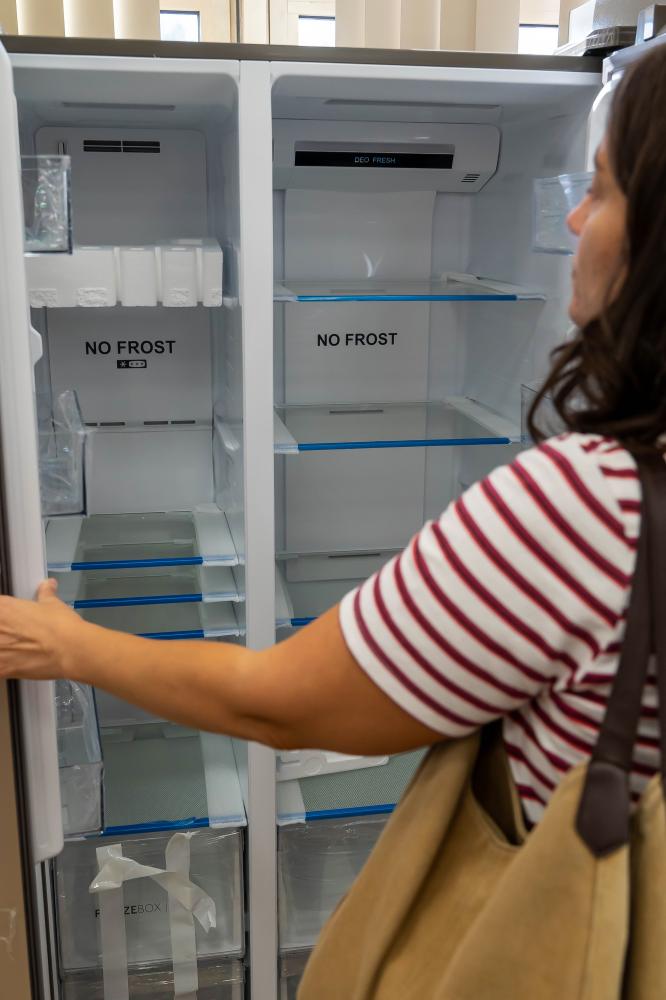
Why is my Viking refrigerator not getting cold?
There are several reasons your Viking refrigerator might not be cooling effectively, and most of them are related to components that help regulate temperature. One common issue we at Seattle Viking Repair encounter is dirty condenser coils. These coils, located at the back or bottom of the refrigerator, are responsible for dissipating heat. When they get covered in dust or grime, they can't function effectively, causing the refrigeration system to overwork and underdeliver on cooling.
Another common issue is the failure of the evaporator fan, which circulates cold air within the fridge. If this fan stops working, you'll notice your Viking refrigerator isn’t cooling properly. It's like trying to cool a room with a broken ceiling fan—you need that air moving!
A malfunctioning thermistor or thermostat could also be the culprit. These components monitor and control the temperature. If they send wrong signals, your fridge won't cool properly. Testing these with a multimeter can help determine if they're functioning correctly.
Consider checking these areas first, and if you're still scratching your head, don't hesitate to reach out. We’re always ready to dig deeper into these cooling mysteries here in Seattle.
Is there a way to fix a refrigerator that is not cooling?
Yes, there are several methods you can try to fix a refrigerator that is not cooling. First, ensure the condenser coils are clean, as dirt and debris can decrease their efficiency. I often tell our customers to clean these coils seasonally—they’re like the lungs of your refrigerator, and they need to be clear!
Next, check that your refrigerator is level. An unlevel unit can cause improper door sealing, leading to warm air seeping in. Imagine trying to keep a tent cool with the door flapping open—not ideal, right?
If those steps don't work, inspect the seals on the refrigerator door. Worn or damaged seals can allow warm air to enter, disrupting the internal temperature. It's a simple fix but makes a big difference. Similarly, ensure the evaporator fan is operational. If you hear unusual noises or notice a lack of airflow, it might be time for a replacement.
Lastly, a malfunctioning thermostat or control board may need professional attention. These components require intricate understanding and tools for repair. When your home efforts aren't cutting it, our Seattle Viking Repair team is just a call away—we're your refrigerator’s best friend in getting back to optimal performance!
How to reset a Viking refrigerator ice maker?
Resetting a Viking refrigerator ice maker can be straightforward, but it's best to know what you're doing to avoid any pitfalls. First, locate the reset button on the ice maker—this is usually accessible when you pull the ice tray out slightly. If you're not sure where it is, consulting your refrigerator's manual is a good bet, or feel free to contact us at Seattle Viking Repair for guidance.
Once you've found the button or switch, press and hold it; this might take about 10 seconds. You should hear a chime or a click, signaling that the reset is successful. It’s similar to rebooting your computer—it just needs a moment to gather itself and start fresh.
Keep in mind, if the ice maker doesn't resume normal functioning after resetting, other issues might be at play, such as a blocked water line or a malfunctioning valve. In these cases, it might be time to call in the pros. We're always on standby for ice maker inquiries in Seattle—just connect with Seattle Viking Repair, and we’ll help you sort it out.
Why does my fridge have power but not cooling?
Having power but no cooling can be puzzling, but it's a scenario we see quite often at Seattle Viking Repair. In many cases, this is due to a problem with the refrigerator's internal components rather than its power source. For instance, the compressor, which acts like the heart of the refrigeration cycle, might be faulty or failing. It's running, but if it's not compressing the refrigerant properly, your fridge won't cool.
Another potential issue is a broken thermostat or thermistor, miscommunicating the actual temperature to the control board. It's like driving blindfolded—impossible to navigate correctly! Also, if you hear the evaporator fan running but no cool air circulating, the fan might be on its last legs.
Sometimes, electronic control boards can malfunction, leading to a discrepancy in the cooling cycle. These components are essentially the brains of your fridge, directing its vital operations. When the brain's not functioning right, you can imagine the chaos that ensues.
Checking these elements requires technical know-how and appropriate tools. If you're unsure or need assistance, don’t worry—our experienced technicians are here to help diagnose and fix these stubborn issues. It's these intricate details where having a skilled eye truly makes a difference in getting your Viking refrigerator back in shipshape.
#### Resources on Viking Refrigerator Maintenance and Troubleshooting- U.S. Department of Energy – This site provides information on appliance energy efficiency and maintenance tips to ensure your refrigerator operates optimally.
- Consumer Reports – Offers trusted reviews and advice on home appliances, including how to troubleshoot common refrigerator issues.
- U.S. Environmental Protection Agency – Learn about environmental considerations when maintaining and disposing of appliances like refrigerators.
- Repair Clinic – Provides resources and DIY guides for fixing various home appliances, including refrigerators.
- Family Handyman – Features numerous DIY tips on maintaining and troubleshooting home appliances and systems.
