

Importance of Correct Ventilation
Ensuring proper ventilation for Viking cooking appliances is crucial. High-performance appliances require a matching ventilation system. Without it, your kitchen can accumulate heat and fumes. It's essential to understand that Viking appliances, especially ranges, produce significant heat. Proper ventilation dissipates this heat effectively. It also removes cooking odors and grease particles.
Ventilation is not just about comfort. It also plays a role in safety. If a kitchen lacks sufficient ventilation, carbon monoxide can build up. This is especially true in enclosed spaces. We’ve noticed this risk in many Seattle homes. Ensuring adequate airflow can mitigate these hazards. At Seattle Viking Repair, we advocate for optimal ventilation solutions tailored for Viking appliances.
Choosing the Right Hood
When selecting a vent hood for your Viking appliance, several factors come into play. The size of the hood should be proportional to the culinary setup. We recommend a hood that is at least as wide as the cooking surface. Ideally, it should extend an extra six inches on each side.
The fan's power is another crucial aspect. Viking ranges often require higher CFM (cubic feet per minute) ratings. For heavy use, a range of 900 to 1200 CFM is ideal. This ensures that air is moved efficiently. In our experience, many customers overlook this specification. It's essential for maintaining air quality in the kitchen.
There are additional features to consider when choosing a hood. Variable speed fans provide flexibility. They allow adjusting the exhaust strength according to cooking demand. Filters are also vital. Removable, washable filters can save on maintenance costs. Selecting the right hood ensures that Viking cooking appliances operate optimally.
Installation Guidelines
Proper installation is key to effective ventilation. Incorrect placement of the hood can limit its functionality. We suggest installing the hood 27 to 30 inches above the range. This height captures smoke and odors effectively. It's a critical detail often overlooked by homeowners.
Furthermore, the ductwork should be as straight as possible. Avoiding bends increases extraction efficiency. Shorter duct runs also reduce energy use. During our installations, we aim to keep duct paths direct. This ensures peak performance of the ventilation system.
Consider integrating an external blower for noise reduction. This setup can be beneficial in open-concept kitchens. It maintains a quiet environment while cooking. Our clients appreciate the tranquility this setup provides.
Considerations for Tighter Homes
Modern homes often have air-tight constructions. High-CFM hoods can create negative pressure in such environments. This can lead to backdrafts from other appliances like furnaces or water heaters. It’s crucial to address this issue during the installation phase.
A solution we recommend is installing a makeup air system. This system introduces fresh air as needed. It compensates for the air expelled by the hood. It's an essential addition for homes with air-tight designs. We’ve seen this approach enhance ventilation performance significantly.
Additionally, consider the overall airflow pattern in the kitchen. Ensure windows or other ventilation points aren't obstructed. This further enhances the efficiency of the hood. Our experience in Seattle homes has shown that small adjustments can make a big difference.
Ongoing Maintenance and Care
Regular maintenance ensures longevity of the ventilation system. We advise periodic cleaning of filters and ductwork. Grease buildup can hinder performance. It also poses a fire risk. Simple cleaning can drastically improve ventilation efficiency.
Inspect the system for wear and tear annually. Look for any signs of duct leaks or fan issues. Addressing these promptly prevents bigger problems. We provide maintenance services to keep Viking appliances in top shape. This proactive approach saves costs in the long run.
Properly maintained ventilation contributes to a safer kitchen environment. It also supports the efficient operation of Viking cooking appliances. Our focus at Seattle Viking Repair is to ensure that every component of your kitchen works seamlessly together.
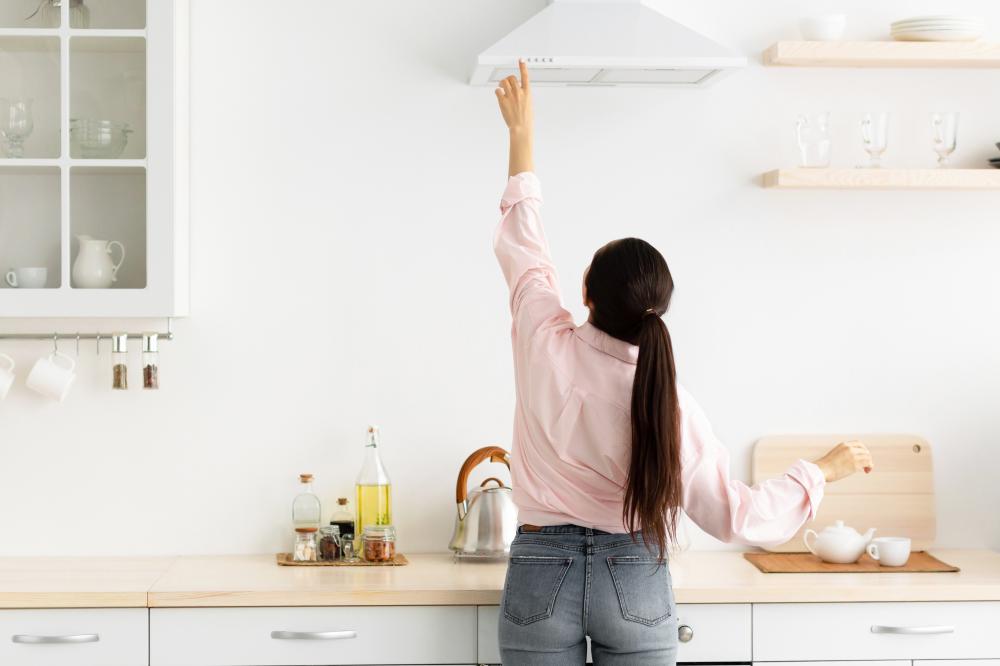
Importance of Proper Ventilation for Kitchen Appliances
Proper ventilation for kitchen appliances plays a crucial role in maintaining a safe and comfortable cooking environment. When cooking, appliances generate heat, steam, and airborne particles that can degrade indoor air quality. Without adequate ventilation, these byproducts linger, causing unpleasant odors and potential health risks. In my experience as a professional appliance repair technician, I've seen how inadequate ventilation can lead to a buildup of grease and humidity. Ensuring proper airflow mitigates these issues, making your kitchen a healthier space.
Proper ventilation for kitchen appliances not only improves air quality but also enhances the longevity of the appliances. By preventing excessive heat buildup, you reduce strain on your appliances, thereby extending their functional lifespan. This aspect is particularly relevant for residents in Seattle, WA, where the humid climate can exacerbate ventilation issues.
Range Hoods and Their Role in Ventilation
Range hoods are instrumental in ensuring effective ventilation for kitchen appliances. They actively extract airborne grease, combustion products, smoke, odors, and heat. However, installation specifics can vary. It’s important to select a range hood that matches your cooking style and kitchen layout. If you frequently cook with high heat, consider a high-capacity model. For those with smaller kitchens, a compact, quiet version might be more suitable. Trust me, a good range hood is more than just a convenience—it's a necessity.
Understanding CFM, or cubic feet per minute, is key when choosing the right range hood. The CFM rating indicates the volume of air a hood fan can move per minute. Calculating the required CFM involves considering the cooktop size and the kitchen's room dimensions. Additionally, a ducted system will generally be more effective than a ductless one, as it vents air outside, rather than recirculating it.
Keep in mind, not all homes can accommodate external venting due to structural constraints. In these cases, a ductless range hood with a reliable filtration system can still provide significant benefits. The regular replacement of these filters ensures optimal performance and air quality.
Simple Tips for Proper Ventilation in Your Kitchen
While range hoods are highly efficient, there are simpler measures you can take to promote ventilation for kitchen appliances. Start by opening windows while cooking. This natural ventilation helps disperse heat and odors. Additionally, utilizing a ceiling fan can assist in circulating air and reducing pollutant concentration levels. In some cases, a portable exhaust fan placed near the cooking area can be a beneficial addition.
Maintaining proper ventilation for kitchen appliances also involves routine cleaning. Grease and dust accumulation hinder airflow. Regularly clean range hood filters and your stove's fan to ensure they operate efficiently. This practice is especially important in Seattle, where the damp climate can compound issues with moisture and particulate accumulation.
Innovative Solutions for Enhanced Kitchen Ventilation
As technology advances, so do opportunities for innovative ventilation solutions. Today, smart range hoods feature advanced sensors that automate fan operation based on pollutant levels. These systems ensure optimal air quality without manual intervention. Furthermore, integrating air purifiers with HEPA filters into your kitchen setup can greatly improve indoor air quality by trapping tiny particles produced during cooking.
Planning ahead can also involve incorporating architectural elements that facilitate ventilation. For example, designing your kitchen with higher ceilings can naturally enhance air movement. Skylights and open shelving can further support airflow, promoting better ventilation for kitchen appliances.
In my professional experience, witnessing firsthand the effectiveness of these solutions in homes across Seattle, WA, has been transformative. Don't underestimate the impact of strategic design decisions on your kitchen's air quality.
Final Thoughts on Ensuring Proper Ventilation
A well-ventilated kitchen is not merely about comfort—it's about health and efficiency. Proper ventilation for kitchen appliances is essential in maintaining a functional cooking space. As an advocate for effective appliance repair and maintenance, I cannot emphasize enough the importance of regular checks and upkeep to ensure your kitchen remains a safe haven. Embrace these practices and innovative solutions to optimize your kitchen environment.
The Importance of Ventilation for Viking Stoves
Effective ventilation is crucial for maintaining a fresh and safe kitchen environment. Viking stoves, known for their high performance, can generate significant heat and smoke. Ensuring proper ventilation not only keeps the air clear but also enhances your cooking experience. Without it, lingering odors and smoke can become persistent nuisances.
Choosing the right ventilation system is key. From our experience at Seattle Viking Repair, we know that a well-ventilated kitchen prevents grease accumulation, which can impact appliance performance. A quality ventilation system is an investment in both kitchen hygiene and appliance longevity.
Tips for Viking Stove Ventilation Installation
When installing a ventilation system for Viking stoves, planning is essential. Begin by determining the kitchen layout and ventilation path. For optimal performance, the ductwork should be as short and straight as possible. This minimizes resistance and maximizes airflow efficiency.
During installation, pay attention to the placement of the vent hood. It should be positioned directly above the stove to capture smoke effectively. At Seattle Viking Repair, we've found that using the owner's manual is helpful for understanding specific requirements regarding duct sizes and lengths compatible with Viking stoves.
Safety cannot be overlooked. When cutting through ceilings or roofs, use proper safety equipment, including masks and harnesses. At Seattle Viking Repair, safety is a non-negotiable aspect of any installation project.
Maintenance and Care for Optimal Performance
Regular maintenance is vital to keep your Viking stove ventilation system in top condition. Cleaning the filters is a priority, as clogged filters can reduce efficiency. Ensure you clean or replace them based on the manufacturer's recommendations. This simple step can prevent extensive build-up and potential fire hazards.
Inspecting ductwork periodically for blockages or damage is also crucial. At Seattle Viking Repair, we advocate for using a flashlight and mirror to check for potential obstructions. Addressing issues early can save you from costly repairs down the road. Also, consider scheduling an annual professional inspection to ensure everything is functioning optimally.
Common Challenges and Solutions
For those with Viking stoves in older homes, ventilation can be challenging. Limited space and outdated ductwork may require innovative solutions. Recirculating ventilation systems are an effective alternative for spaces where outdoor venting is not possible.
In our years of service, Seattle Viking Repair has encountered many unique scenarios. For instance, some homes have complex roofing structures that complicate vent installations. Here, installing a vent through a gable wall instead can be a practical solution. It's about adapting to the situation while ensuring effective smoke management.
Noise is another common issue with ventilation systems. Selecting a quieter model or installing sound dampening materials can make a significant difference. Our technicians at Seattle Viking Repair can recommend specific brands or solutions based on individual needs.
Choosing the Right Equipment
When considering tips for Viking stove ventilation, selecting suitable equipment cannot be overstated. Ventilation systems vary widely, from ducted to ductless models. Each has its benefits and limitations depending on kitchen layout and personal preferences.
Ducted systems are generally more efficient, as they expel air outside; however, they require more extensive installation work. In contrast, ductless systems recirculate air and are easier to install but might not be as effective in removing odors entirely.
Consulting with experts, like those at Seattle Viking Repair, can provide insights specific to your kitchen arrangement. Making informed choices tailored to your needs ensures you optimize both functionality and convenience.
How many CFM do I need for my Viking range?
When considering how many CFM (cubic feet per minute) you need for your Viking range, it's crucial to think about the power and size of the appliance. Viking ranges are known for their high performance and can produce significant heat and fumes, so a high-capacity vent hood is necessary. Generally, a range between 900 to 1200 CFM is ideal to ensure efficient removal of smoke, odors, and heat. This specification is often overlooked but is essential for maintaining good air quality in your kitchen. At Seattle Viking Repair, we've seen how correctly matching the CFM capacity to your cooking habits can drastically improve ventilation efficiency. Have you ever considered how different cooking styles might require adjustments in your kitchen setup?
How long do Viking appliances last?
Viking appliances are known for their durability and can last many years with proper care and maintenance. On average, these appliances can last around 10 to 20 years, depending on the model and usage. Regular maintenance, such as cleaning the filters and inspecting for wear and tear, can significantly extend their lifespan. At Seattle Viking Repair, we emphasize the importance of routine checks and upkeep to prevent minor issues from becoming major problems. Imagine if a simple yearly inspection could save you from a costly repair down the line—wouldn't that be worth it?
How do you remove baffles from a Viking hood?
Removing baffles from a Viking hood can seem daunting, but it's a straightforward process with the right guidance. Start by turning off the power to ensure safety. Once you're ready, slide the baffles towards the back of the hood and lift them up slightly to disengage from the slots. They should come out easily. Regular cleaning of these baffles is crucial as grease build-up can hinder the hood’s performance and pose fire risks. At Seattle Viking Repair, we often advise our clients to clean their baffles every few months. It's a simple step that can make a big difference in maintaining your kitchen's air quality. Have you thought about setting reminders to keep your maintenance routine on track?
How to do kitchen ventilation?
Proper kitchen ventilation involves more than just installing a hood. It's about creating a system that efficiently removes smoke, odors, and heat from your cooking area. Start with a high-quality vent hood that matches the size and power of your cooking appliances, preferably a ducted one that vents air outside. Ensure the hood is installed 27 to 30 inches above the range to effectively capture emissions. Keep ductwork as straight and short as possible to maximize airflow. Consider supplemental ventilation methods like opening windows or using portable exhaust fans to enhance air circulation. At Seattle Viking Repair, we’ve found that a multi-faceted approach to ventilation can significantly improve the kitchen environment. What other ventilation strategies have you found effective in your home?
Resources
- U.S. Department of Energy (DOE) – The DOE provides information on energy efficiency and technical standards, which can be beneficial when considering ventilation efficiency in kitchens.
- Centers for Disease Control and Prevention (CDC) – The CDC offers guidelines on indoor air quality and health implications, crucial for understanding the importance of kitchen ventilation.
- U.S. Environmental Protection Agency (EPA) – The EPA provides resources on maintaining indoor air quality, including the impact of proper kitchen ventilation.
- International Association of Certified Home Inspectors (InterNACHI) – InterNACHI offers information on home inspections, including tips on inspecting kitchen ventilation systems.
- U.S. Consumer Product Safety Commission (CPSC) – The CPSC provides safety guidelines and information on kitchen appliance safety, including ventilation.
